
The Complete Guide to Playing Poker with Cryptocurrency in 2026: How Bitcoin is Revolutionizing Online Poker
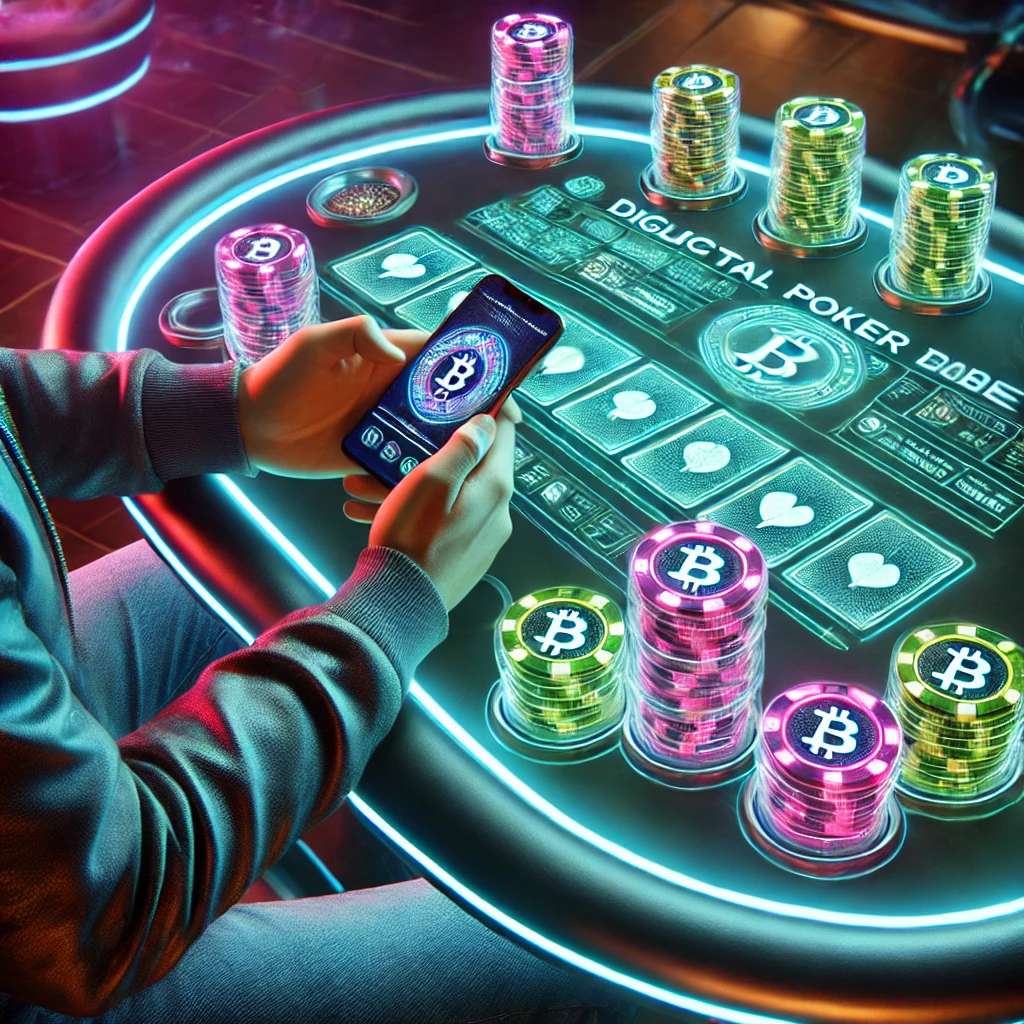
Ten years back, if you'd told me I'd be playing high-stakes Texas Hold'em with digital currency on a USB stick, I would've laughed you straight out of the room. But here we are in 2026, and the online gaming world looks nothing like it used to.
Waiting weeks for checks to clear? Ancient history. Credit cards getting declined at 2am when you're trying to reload your account? Done. Over. For serious players, those frustrations are basically extinct now.
I've spent a decade grinding virtual felts and watched traditional banking just... collapse under its own weight in this space. Crypto didn't politely step in—it bulldozed the door down and took over. It's not some hip 'nice-to-have' feature anymore. It's the infrastructure. The backbone. And experiencing that shift firsthand has been pretty wild, honestly.
This guide covers everything I've picked up about playing poker with cryptocurrency—why it actually revolutionized the game (not just hype), and how you can start safely without making the same dumb mistakes I made early on.
What is Cryptocurrency Poker and Why It's Taking Over in 2026
At the core, crypto poker is the exact game we've always known. Same hand rankings. Same strategies. Same gut-punch river decisions that make you question your life choices.
But the financial rails underneath? Completely different.
Instead of depositing fiat—USD, EUR, GBP—through a bank wire or credit card, you're moving digital assets like Bitcoin, Ethereum, or Litecoin straight from your wallet to the poker room. No middleman approving your transaction. No three-day holds. Just direct peer-to-peer transfer.
Watching this unfold over the years has been genuinely fascinating. Early crypto poker was this weird niche corner with clunky interfaces and player pools you could count on two hands. Now in 2026? The tables turned hard. Major operators went full blockchain, and the reason is pretty obvious once you see it.
Payment processing was always the industry's Achilles heel.
Banks hate gambling transactions. They freeze accounts. Ask invasive questions. Sometimes just close you out with zero warning. Crypto cuts that entire mess out of the equation—creates a direct line between you and the poker site. That freedom from institutional gatekeeping is why crypto owns the market now. Simple as that.
The Revolutionary Benefits of Playing Poker with Bitcoin
I didn't switch to crypto because it looked cool or felt futuristic. I switched because the user experience is objectively superior. Remove the middlemen, and everything just flows better. Here's why most pros I know moved their entire bankrolls onto the blockchain.
Enhanced Privacy and Security Features
Data breaches are constant in 2026, so I've gotten pretty paranoid about what info I share online. When you use a credit card at traditional poker sites, you're basically handing over your identity on a platter—full name, billing address, card details. That data sits on servers that can (and do) get hacked.
Crypto transactions? Pseudonymous.
The poker site doesn't need my bank info. They just verify the funds hit their wallet address. Sure, most legitimate platforms still run KYC (identity checks) to prevent fraud and money laundering, but the financial security layer is way tighter. My main bank account stays completely disconnected from my poker bankroll, and I sleep better because of that separation. Matters more than you'd think.
Lightning-Fast Deposits and Withdrawals
This is where crypto actually changed the game. I still remember crushing a Sunday major and then... waiting until Friday to see that money in my bank. If I was lucky. Sometimes paper checks took a full month to show up in the mail.
A month. For my own winnings.
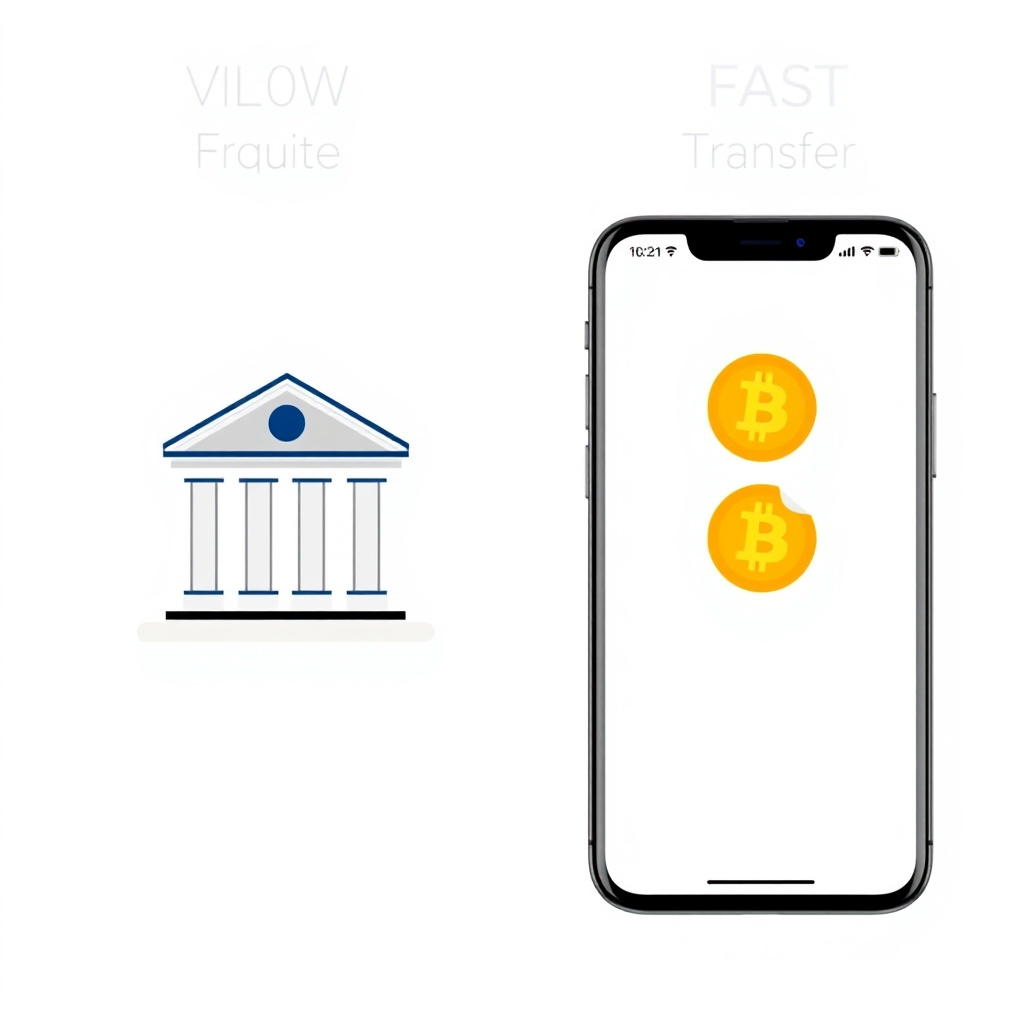
Bitcoin and other cryptos killed that waiting game dead. Deposits get credited after one or two blockchain confirmations—usually 10 to 20 minutes. But withdrawals? That's the magic part. On modern platforms, I cash out and the crypto hits my personal wallet within an hour. Sometimes 15 minutes. In 2026, liquidity is instant. You win, you get paid. Right then.
No 'processing windows' or 'business day' excuses anymore. It's just... there.
How to Get Started with Bitcoin Poker in 2026
If you're brand new to this, yeah, the technical side might look intimidating at first. But it becomes second nature fast—way faster than you'd expect. The barrier to entry dropped hard over the past few years thanks to better wallet UIs and clearer onboarding flows.
First thing: get a digital wallet. This is software (or a hardware device) that holds your private keys. Think of it like your own personal bank where you're the only person with the password. Once your wallet's set up, you buy cryptocurrency from an exchange using normal money—Coinbase, Kraken, Binance, whatever feels right to you.
After you've got coins, next step is finding where to play. And this part's critical because not all platforms are created equal. Some are solid. Some are sketchy disasters waiting to happen.
When you're hunting for the best bitcoin poker sites, prioritize high traffic and a proven track record for honoring withdrawals on time. I've seen too many people chase some flashy bonus and end up on a ghost-town site with shady cashout policies. Once you pick a room, navigate to the cashier, hit 'Deposit,' and copy their wallet address. Paste that into your own wallet, pick your amount, confirm.
Boom. Chips on the table within minutes.
Top Cryptocurrencies Accepted for Online Poker Beyond Bitcoin
Bitcoin's the OG of crypto poker, no question. But in 2026, it's definitely not your only option—and depending on network congestion, I actually prefer using altcoins sometimes just to dodge those brutal transaction fees. Here's what actually works:
- Ethereum (ETH): Second most popular, super widely accepted. Gas fees can spike hard when the network's busy, but ETH's smart contract tech has enabled some seriously innovative decentralized poker platforms that wouldn't exist otherwise. Trade-off worth considering.
- Litecoin (LTC): I call this 'silver to Bitcoin's gold,' and honestly? It's my go-to for everyday deposits. Way faster transfers than Bitcoin and significantly cheaper fees. For smaller stakes or casual play, Litecoin's usually the smartest choice hands-down.
- Bitcoin Cash (BCH): Similar vibe to Litecoin—low fees, fast speeds. It's become standard on pretty much every major crypto poker site at this point. Reliable, boring in the best way.
- Tether (USDT) & Stablecoins: If Bitcoin's price swings stress you out (and they should), stablecoins solve that problem completely. Pegged 1:1 to the US Dollar, so 1 USDT always equals $1. Removes all volatility risk from your bankroll, which is a massive relief during those crazy market dips.
Understanding Blockchain Technology and Provably Fair Poker
The question every online poker player's had at some point: 'Is this rigged?' Back in the day, we blindly trusted whatever RNG audit the site posted on their 'About' page. Some were legitimate. Others... weren't.
Blockchain changed that completely with 'Provably Fair' gaming. Total paradigm shift.
In a provably fair setup, the deck shuffle is based on cryptographic hashes generated before the hand even starts. The server creates a secret 'seed' and sends you a hash of it. You provide your own seed too. Those two seeds combine to determine the exact deck order. Because the server locked in their seed before seeing yours, they literally can't manipulate the cards mid-hand to make you lose. Mathematically impossible.
After the hand finishes, you can use verification tools to prove—with actual cryptography, not faith—that the deal was fair. No trust needed. Just math.
It's a level of transparency that was physically impossible before blockchain existed. Pretty wild when you think about it.
Essential Tips for Choosing a Safe Cryptocurrency Poker Platform
The freedom crypto gives you comes with real responsibility. There's no bank to call if things go sideways, so you've gotta be careful about where you're playing. Here's my personal checklist for 2026—learned the hard way:
Reputation and History: How long's the site been running? I dig through forums, Reddit threads, player complaints—looking for patterns. If there's recent drama about delayed payouts or shady account freezes, that's a hard pass. Three-plus years of smooth operation? That's a green flag.
Licensing: Even crypto sites should have licensing from somewhere—usually Curacao or Panama. It's not perfect oversight, but it shows they're not operating in complete legal darkness. Bare minimum standard.
Traffic and Game Variety: Secure site means nothing if the lobby's empty. I look for platforms with active cash games and tournaments running 24/7. If it's dead at 8pm on a Saturday night, something's wrong. Move on.
Support Quality: I test the live chat before I deposit anything real. Ask a basic question about deposit limits or withdrawal times. If they can't answer clearly and quickly, I don't trust them with my money. That simple.
Common Mistakes to Avoid When Playing Crypto Poker
I've made mistakes. Watched friends lose money on completely preventable errors. Here's how to avoid the biggest ones.
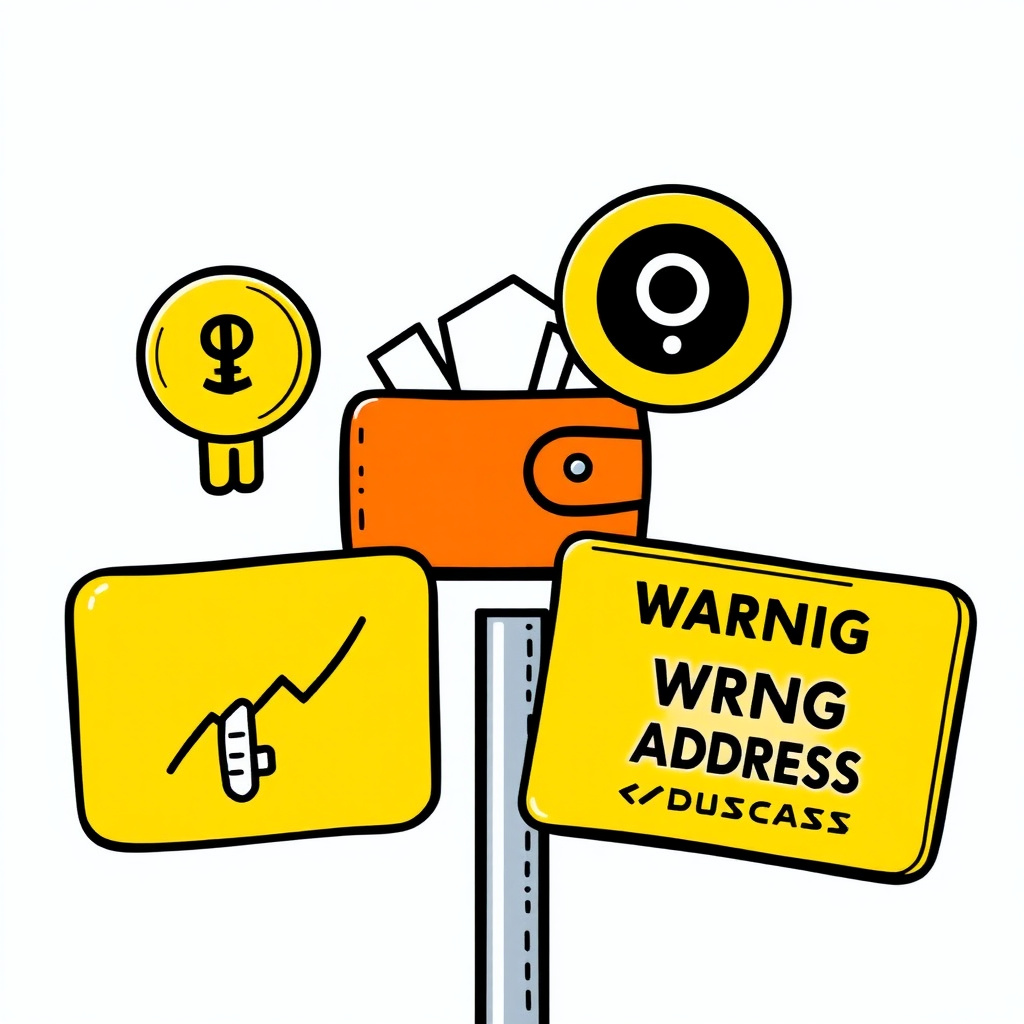
The most critical screw-up: sending crypto to the wrong address. Blockchain transactions are permanent. Irreversible. You mistype one character, that money's gone forever—nobody can reverse it, nobody can help you. I copy-paste addresses every single time, never manually type, and I double-check the first and last four characters before I hit send. Every. Time. No exceptions.
Second major issue: ignoring price volatility. If your entire bankroll's sitting in Bitcoin and it drops 20% overnight, congrats—your buy-in power just tanked 20% too. Been there. It sucks hard. This is why I keep a chunk of winnings in stablecoins and cash out regularly to cover actual life expenses. Don't let your whole net worth ride crypto market swings. Bad idea.
Last one: don't leave huge amounts on the poker site long-term. Security's way better in 2026 than it used to be, but the safest place for your crypto is still your own hardware wallet. Offline. Treat the poker site like your daily carry wallet—only keep what you need for this session or this week. Everything else? Cold storage.
The Future of Online Poker: What's Next for Crypto Gaming in 2026 and Beyond
We're in the golden age of crypto poker right now. But the innovation's not slowing down—if anything, it's accelerating. Moving into late 2026 and beyond, NFTs (Non-Fungible Tokens) are getting way more integrated into the actual poker ecosystem.
Imagine taking down a major tournament and getting a unique NFT trophy that permanently grants you entry to exclusive high-roller events or cuts your rake fees by a percentage. Not some far-off concept—it's already happening on certain platforms. Early stages, but it's real.
Then there's the Metaverse angle.
Fully immersive 3D poker environments where you're sitting at virtual tables, placing bets with digital currency while watching opponents' avatars react in real-time. Reading physical tells through motion capture. Bluffing with actual body language in a virtual space. The line separating video games from online poker is blurring fast, and honestly? It's pretty exciting to watch unfold.
Bitcoin already solved the payment problem—killed the waiting, the fees, the bank friction. The next wave's about revolutionizing the experience itself. Immersion, social dynamics, achievement systems. For those of us who love this game, there's genuinely never been a better time to be playing. The future's weird. And I'm here for it.